Daily To-Do List Printable Template: Simplifying Your Day
Managing a busy schedule often comes down to one simple habit: writing things down. A daily to do list printable template gives you exactly that — a clean, structured page where tasks, priorities, and reminders can live outside your head. Instead of juggling sticky notes, scattered apps, or mental checklists, you place everything onto a single sheet designed to bring clarity from morning to evening.
This isn’t about complicated systems. It’s about giving yourself enough room to list what matters, note your schedule, and track small wins as you cross things off. Whether you’re a freelancer balancing multiple projects, a student managing coursework, or someone who simply wants to reclaim a few hours each week, a paper-based planner template can quietly shift how you approach each day.
Why Paper Still Beats the Buzz of Notifications
Phone apps promise to organize your life, but they also bring distractions. A daily to do list printable template sits on your desk, untouched by pings and alerts. That physical presence creates a gentle nudge to stay focused. The act of writing by hand also helps your brain process information more deeply, making it easier to remember deadlines and spot patterns in how you use your time.
Many people rediscover paper planning after digital overload. They find that a simple printed page removes the temptation to scroll and reduces decision fatigue. You don’t need to learn a new interface or customize complex settings — you just fill in the template, keep it nearby, and get to work.
What’s Inside the Template Pack
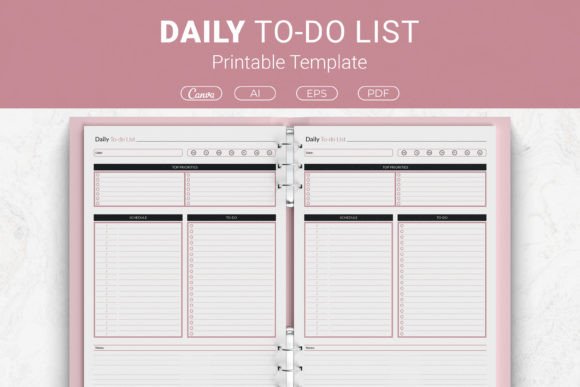
This specific set of resources is designed to be adaptable right out of the gate. Instead of downloading a single file, you receive multiple formats that cover different needs and skill levels:
- Adobe Illustrator files (open source) — fully editable for those who want to tweak fonts, colors, or layout elements professionally.
- EPS file — compatible with various design software, ideal for graphic designers or print shops.
- PDF files ready to print — just open and send to your home printer, no design skills required.
- Canva template link — a beginner-friendly way to modify the design online, swap typography, or add your personal brand before printing.
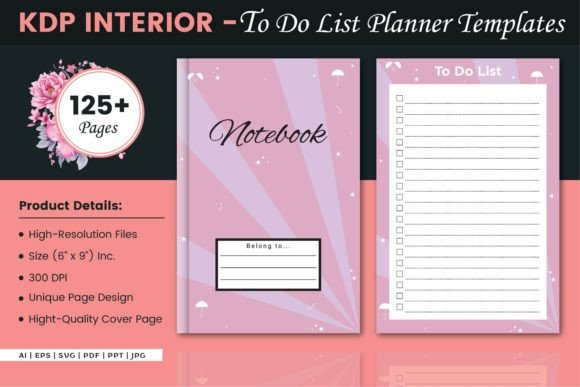
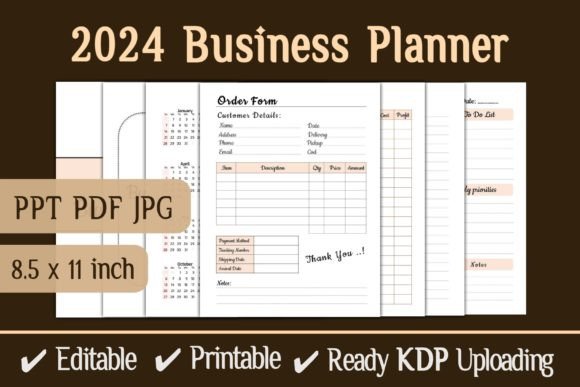
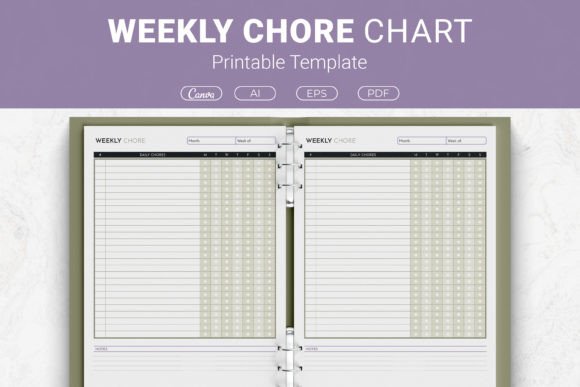
The pack includes four popular sizes so you aren’t locked into one format. You get US Letter (8.5 x 11 inches), A4 (210 x 297 mm), a versatile 7.5 x 9.25 inch option, and a compact 6 x 9 inch layout. This range means you can print full-size pages for a binder, create a smaller notepad for your bag, or even use the 6x9 layout inside a DIY planner cover.
Design Details That Actually Help You Stay on Track
Each template doesn’t just dump a list onto a blank page. There’s thoughtful spacing that segments your day into manageable chunks. You’ll find dedicated areas for top priorities, a more detailed to-do list, a daily schedule with time or hourly slots, and a notes section. This structure encourages you to think about what absolutely must get done before adding smaller tasks.
Having a notes block is especially helpful for capturing random thoughts, callbacks, or ideas that pop up while you’re working. Instead of interrupting your flow, you jot them down and handle them later. The priority section gently forces you to make choices: you can’t list twenty “top” items, so you learn to separate urgent work from the noise.
Using the Template as a KDP Interior for Kindle Direct Publishing
Entrepreneurs, authors, and side-hustlers often look for ready-to-use planner interiors to sell on Amazon KDP. Because this template pack includes editable source files and properly sized pages, it works as a solid foundation for a low-content book product. You can customize the design, brand it, and compile it into a printable planner you offer to your own audience.
The 6x9 inch size is particularly handy for KDP because it matches one of the most common trim sizes for paperback books. Similarly, the 8.5x11 and A4 layouts suit full-size planners. By adding your own cover design and slightly adjusting the interior (using AI, EPS, or Canva), you turn a simple daily to-do list template into a commercial product without starting from scratch.
Real-Life Ways People Use a Daily To-Do List Printable
One template fits many lifestyles. Here are a few practical scenarios that show how flexible this tool can be:
- Freelancers managing client work: List three main client tasks as priorities, block out meetings in the schedule area, and use the notes section for project ideas or follow-up reminders.
- Students balancing coursework: Map study sessions onto the hourly schedule, add assignment deadlines to the to-do list, and note quick questions to ask instructors.
- Parents coordinating family life: Write down pick-up times, grocery run tasks, and personal goals on the same page so nothing gets lost in a group chat or mental checklist.
- Online shop owners: Track order fulfillment steps, social media posts, and inventory checks, then store the completed sheets for record-keeping.
- Hobbyist makers and creators: Plan creative projects, break materials lists into the to-do section, and log progress notes for future reference.
In each case, the printable template acts as a single source of truth for the day. You don’t have to open five apps or remember which notebook you scribbled something in. Everything sits on one intentional piece of paper.
Making It Your Own Without Overcomplicating Things
One of the advantages of receiving the Canva link and AI files is that you can personalize the template without design experience. You might change the header to reflect your business name, add a motivational quote, shift the layout order, or incorporate your favorite color palette. Small tweaks like these can make the daily planning ritual feel more personal and motivating.
For many people, printing a stack of these sheets and binding them into a homemade planner creates a sense of ownership. You can punch holes and store them in a binder, coil-bind them at a local print shop, or simply keep a clipboard filled with blank templates ready for each morning. If you use the A4 or US Letter sizes, standard three-hole punches and most desk printers handle the job smoothly.
Practical Considerations Before You Print
A great daily to do list printable template serves you best when you match it to your actual energy patterns and habits. Before committing to a large print run or designing a full planner interior, it helps to test a few days on just one sheet. Notice whether you fill out the schedule fully or leave it blank. If you find that a simple priority list is your sweet spot, you might minimize the time slots and expand the notes area using the editable files.
Paper quality matters more than people expect. Standard copy paper works fine, but slightly heavier stock (around 24-32 lb) prevents ink bleed-through and feels more satisfying to write on. If you plan to use fountain pens or markers, testing a page first will save frustration.
Also consider how you’ll store completed lists. Some people slide them into a binder for reference, while others toss them after a month. If you want a lightweight archive, the 6x9 or 7.5x9.25 sizes save shelf space. If you need more writing room for detailed notes, the full A4 or US Letter layout is the better friend.
Subtle Ways This Template Reduces Daily Stress
Stress often comes from the feeling of forgetting something important or jumping between tasks without a clear direction. A daily planning sheet gives you a place to offload those thoughts in a structured way. The act of identifying three must-do priorities lowers anxiety because you’ve already negotiated with yourself about what success looks like for that day.
There’s also a psychological benefit to physically crossing out completed items. It creates a small but meaningful sense of progress, especially on days when big goals feel far away. Those little checkmarks add up and help you maintain momentum over weeks.
Where to Start If You’re New to Printable Planners
Begin with the ready-to-print PDF. Choose the size that fits your most comfortable notebook or binder setup. Print five copies and keep them somewhere visible — maybe a desk, kitchen counter, or daily planning folder. Use them for a full workweek without editing anything. Simply fill in the sections with a pen, and pay attention to what truly helps you stay on track.
Later, if you decide to adjust the layout or brand it for a KDP book, you’ll have real use cases to guide your edits. That hands-on experience leads to a better final product, whether it’s just for you or for customers.
What separates this template from a generic notepad is the intentional structure that balances flexibility with guidance. The open-source AI files, EPS, and Canva link mean you never feel stuck with a design that doesn’t fit. And with multiple size options, the daily to do list printable template adapts to your life — not the other way around.